Bylany u Kutné Hory, Kutná Hora dist., Central Bohemian Region
Neolithic settlement and rondels
5500–4600 BC
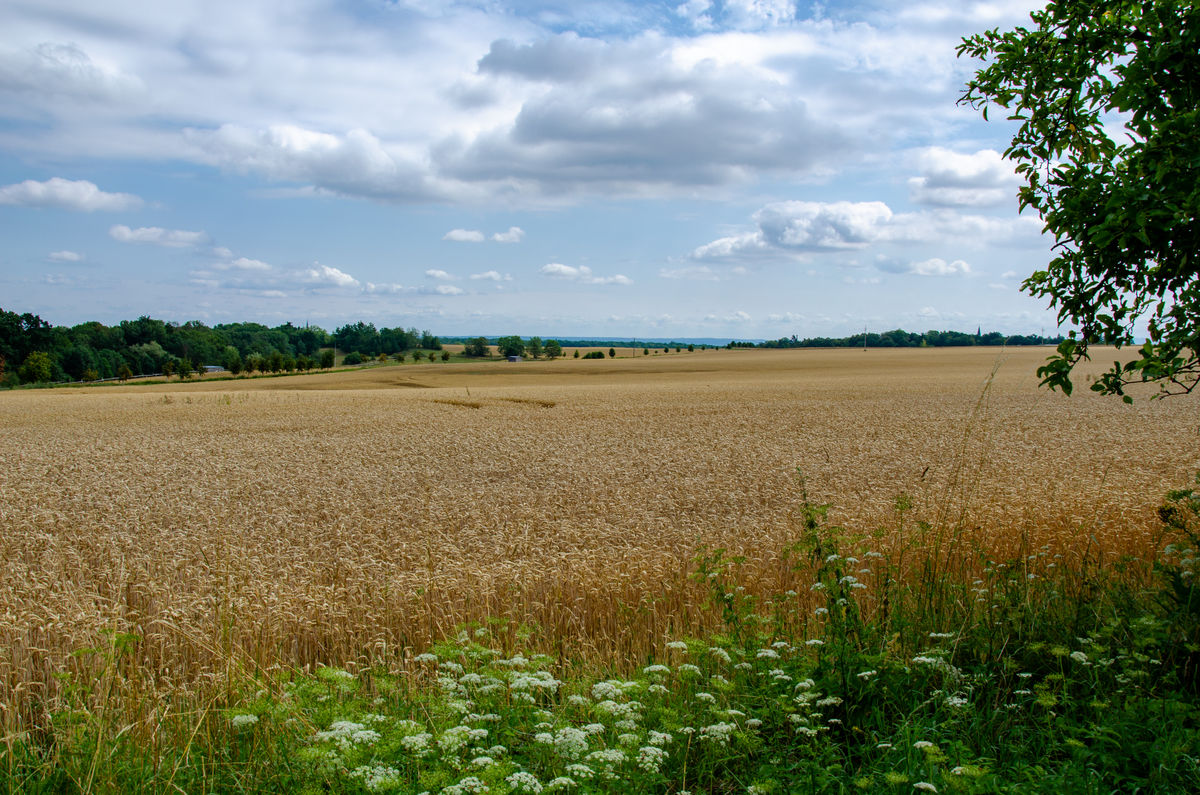
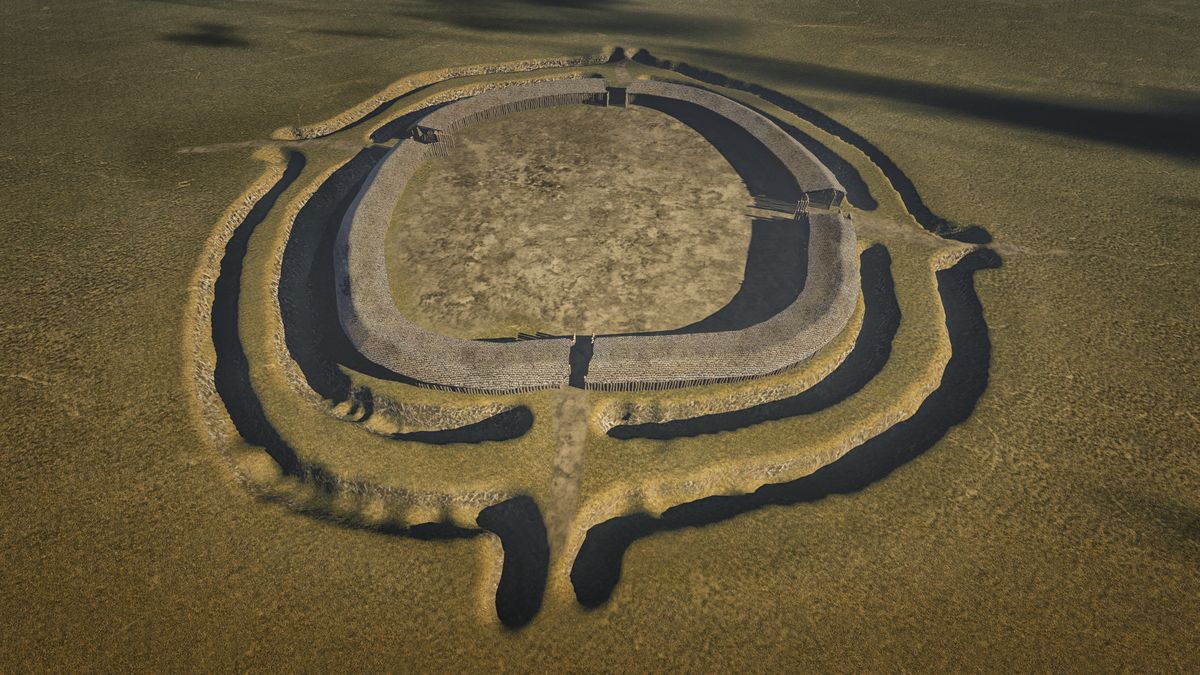
View of the Neolithic settlement.
Photo B. Tesařová, 2026.
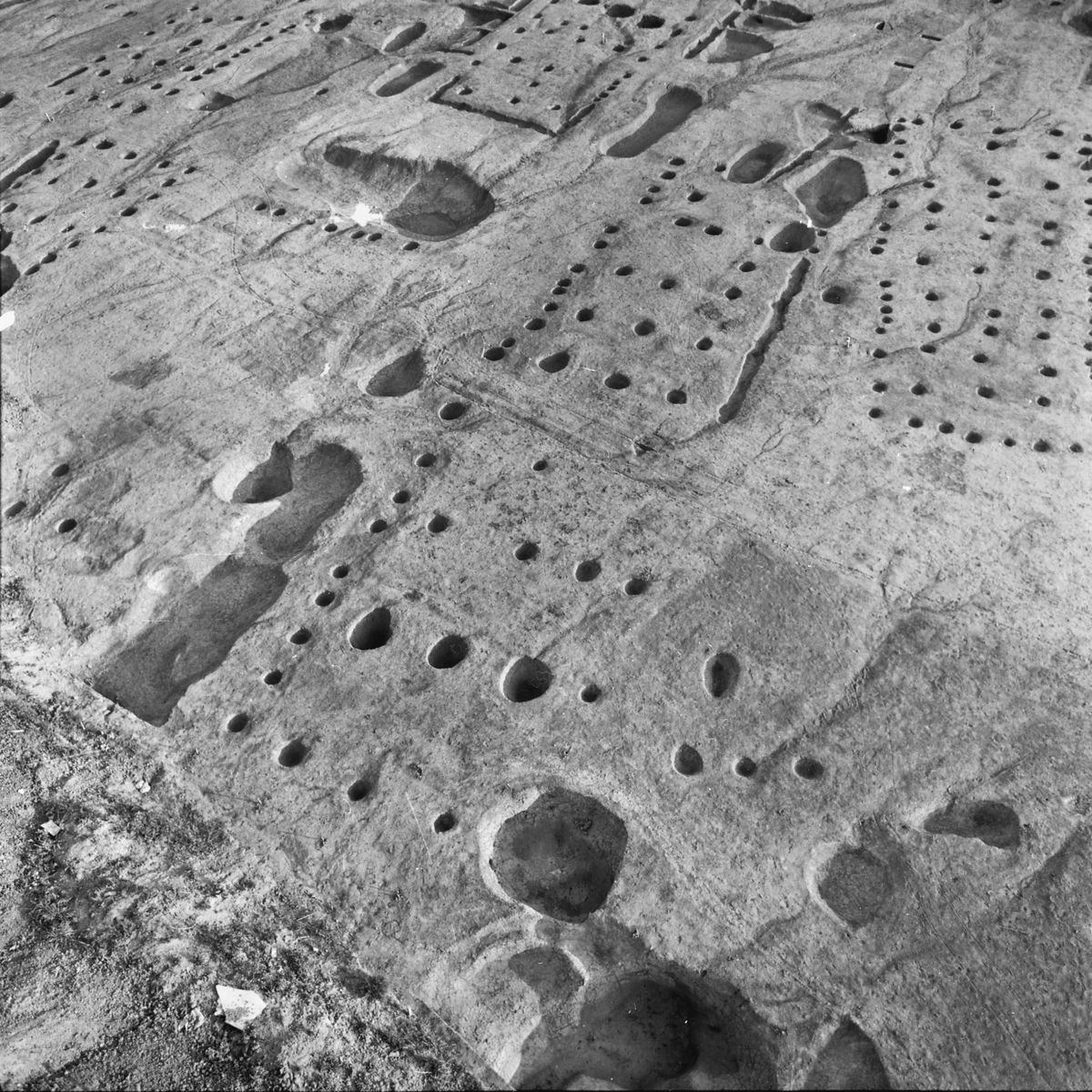
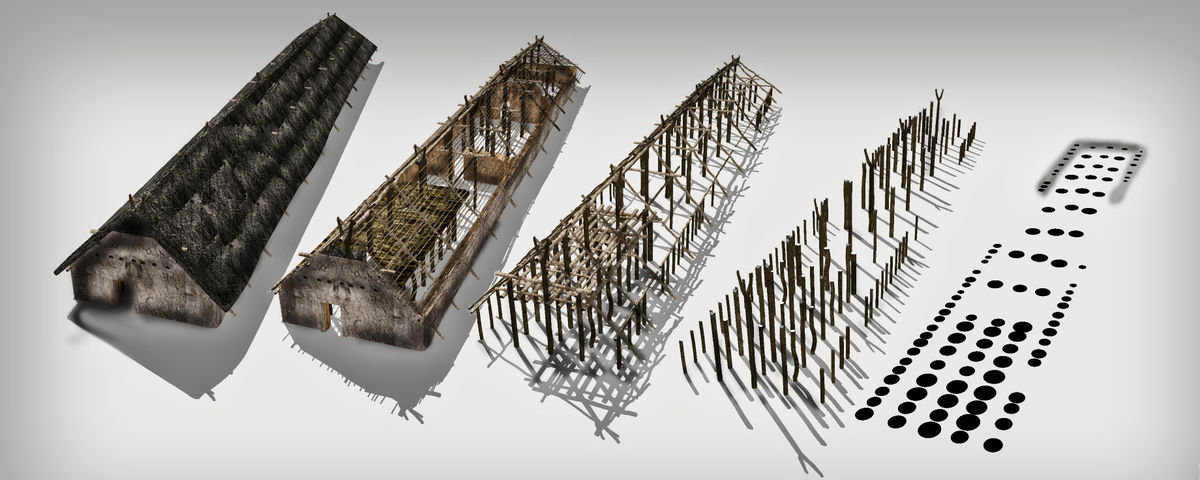
During the Neolithic period, an extensive lowland settlement (A) was situated south-east of Bylany. The settlement gradually expanded to cover an area of approximately 85 ha. It occupied fertile black earth soils of the Elbe lowlands along the Bylanka stream, which also served as its main water source. The site became famous for the large-scale excavations carried out by Bohumil Soudský between 1955 and 1967. He was the first archaeologist in the Czech Republic to use mechanical equipment to strip away the overburden and to introduce modern computer-based methods for recording finds. His work was continued by Ivan Pavlů and Jan Rulf between 1977 and 2004. Although only 7 ha have been archaeologically investigated, Bylany is the most extensively excavated Neolithic settlement in the Czech Republic. Detailed excavations revealed 144 longhouses (post-built structures), measuring 15–45 m in length and approximately 6 m in width. The houses were divided into three sections: the southern section, where the entrance was located, may have contained a mezzanine level used for storage; the central section served as living quarters; and the northern section was used either to house livestock or as a granary. Excavations showed that the settlement was not occupied continuously. Six longer periods of occupation were identified, which were further divided into 25 shorter phases. During any one phase, only three to five houses were usually standing at the same time. The lack of differences in house construction suggests that the community of the first farmers was based on cooperation in cultivating the fields.
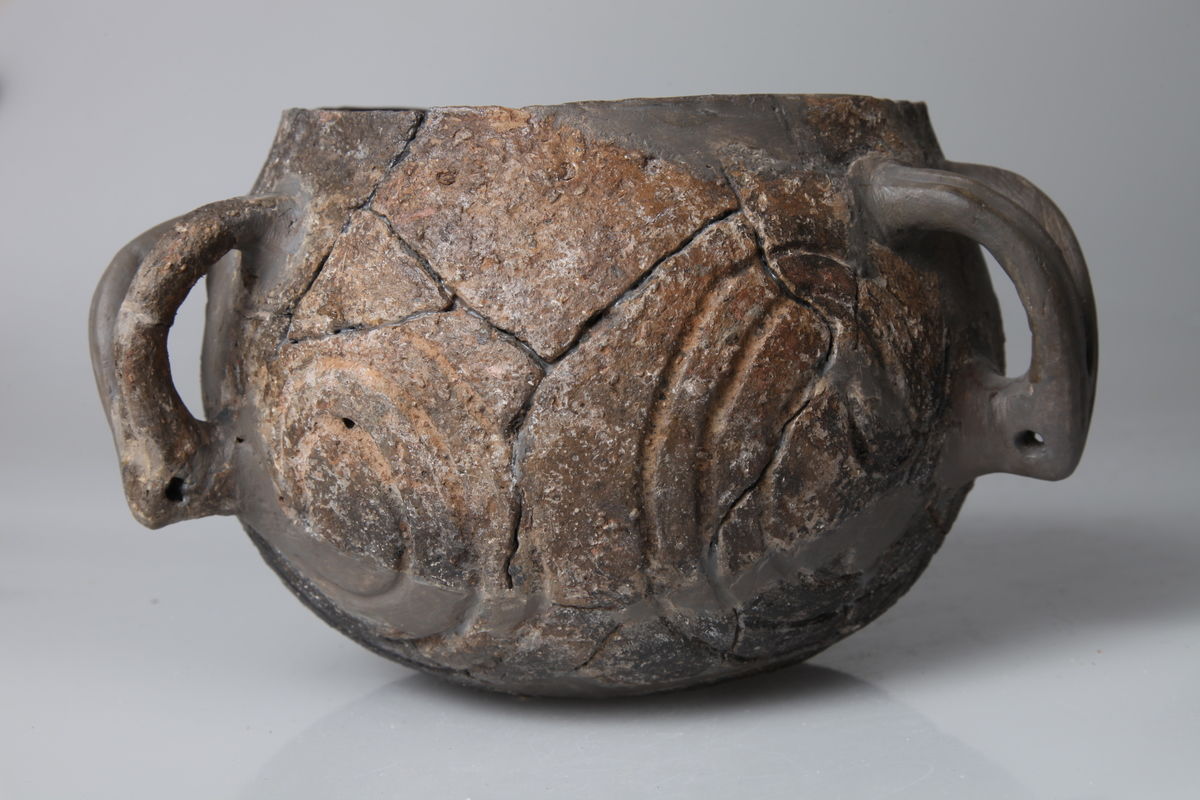
The excavations yielded finds associated with the Linear Pottery culture (earlier phase, 5500–4900 BC) and the Stroke-Ornamented Ware culture (later phase, 4850–4600 BC), providing evidence of long-term occupation. In addition to numerous pottery fragments, finds included polished stone axes, stone querns for grinding grain and imported chipped-stone artefacts, indicating long-distance exchange. Analyses of material from refuse pits confirmed the cultivation of wheat, barley and legumes, as well as the keeping of cattle, sheep and goats. Particularly remarkable are ceramic strainers bearing traces of dairy processing.
Several rondels (monumental circular enclosures) have been identified on the north-western edge of Bylany. They are attributed to the Stroke-Ornamented Ware culture (B). Geophysical surveys have so far identified three structures, the largest measuring over 100 m in diameter. All three rondels have three concentric ditches and four entrances aligned with the cardinal directions, with the exception of Rondel 4/2, which has only three entrances. The structures probably served as religious and social centres, and an astronomical function has also been suggested. The rondels were not in use at the same time, but their presence indicates that Bylany was an important regional centre during the later Neolithic. Also worth mentioning is another Linear Pottery culture settlement and a cemetery belonging to the builders of the Stroke-Ornamented Ware culture rondels in the neighbouring cadastral area of Miskovice (C). Nearby, overlooking the Vrchlice valley, are two Eneolithic hillforts, Cimburk (G) and Denemark (H). Their substantial fortifications indicate that later inhabitants of the area moved to more defensible areas. In addition to the prehistoric finds, several early medieval sites dating from the 10th to the 12th century have been investigated in the immediate vicinity, particularly near water streams (D–F). Another notable structure is a late 15th-century aqueduct, of which a 50 m section survives. It once carried water from the spring of St Adalbert to Kutná Hora (I).
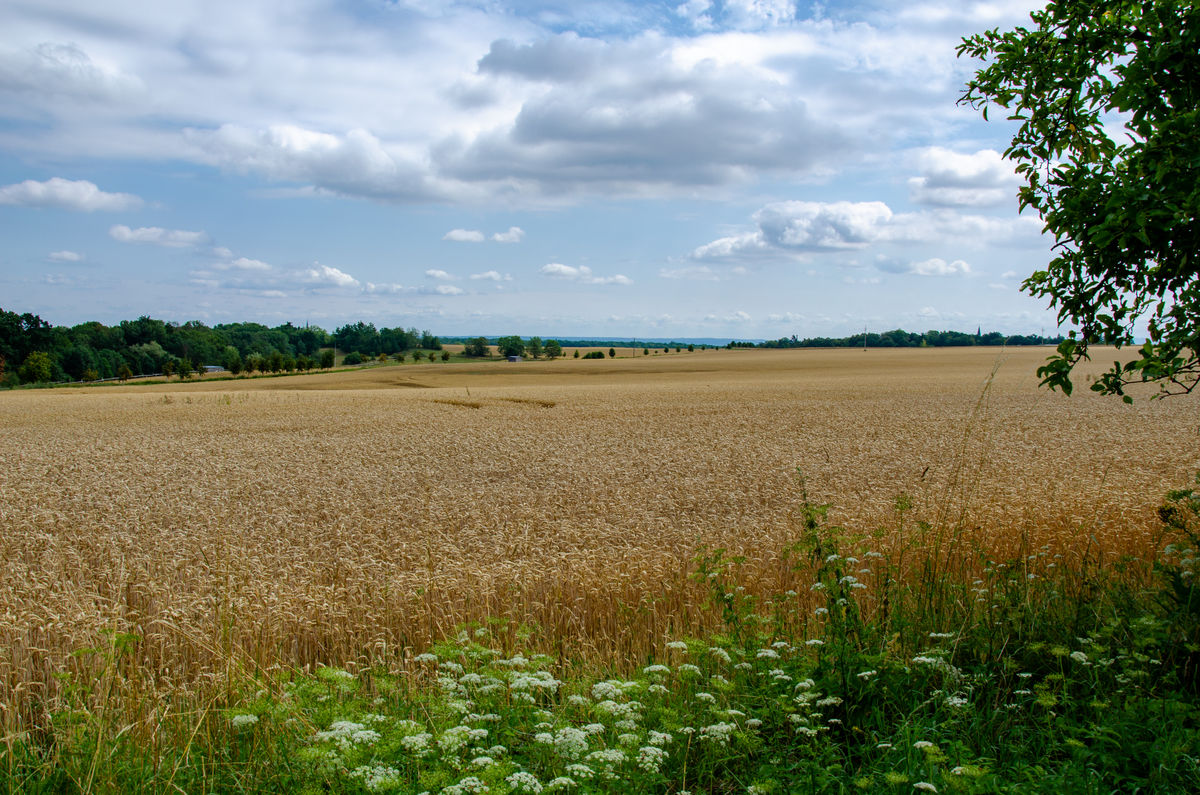
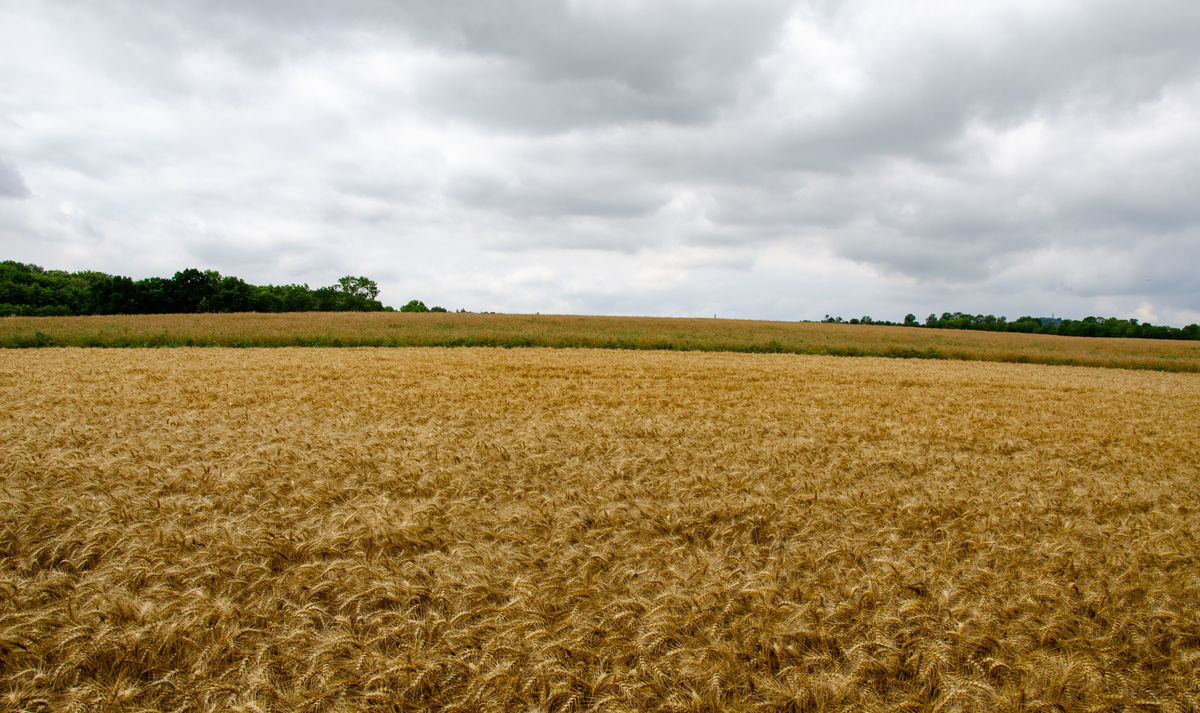
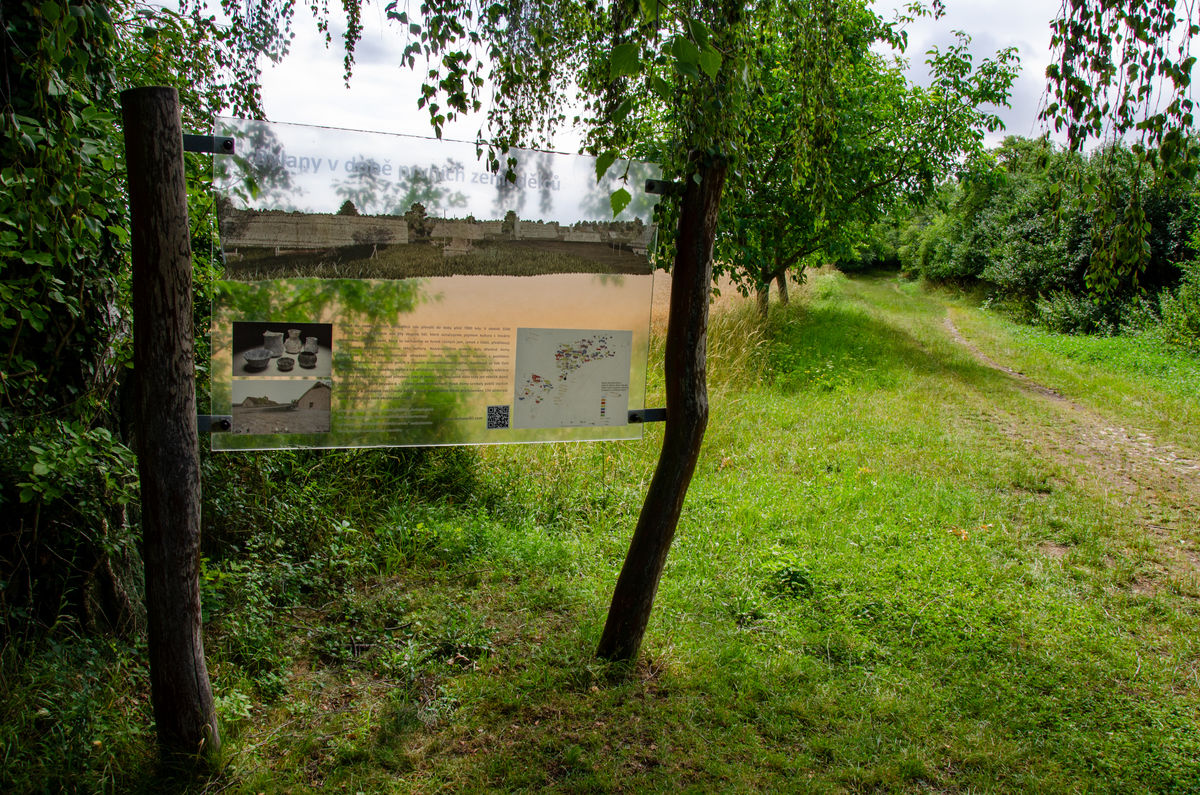
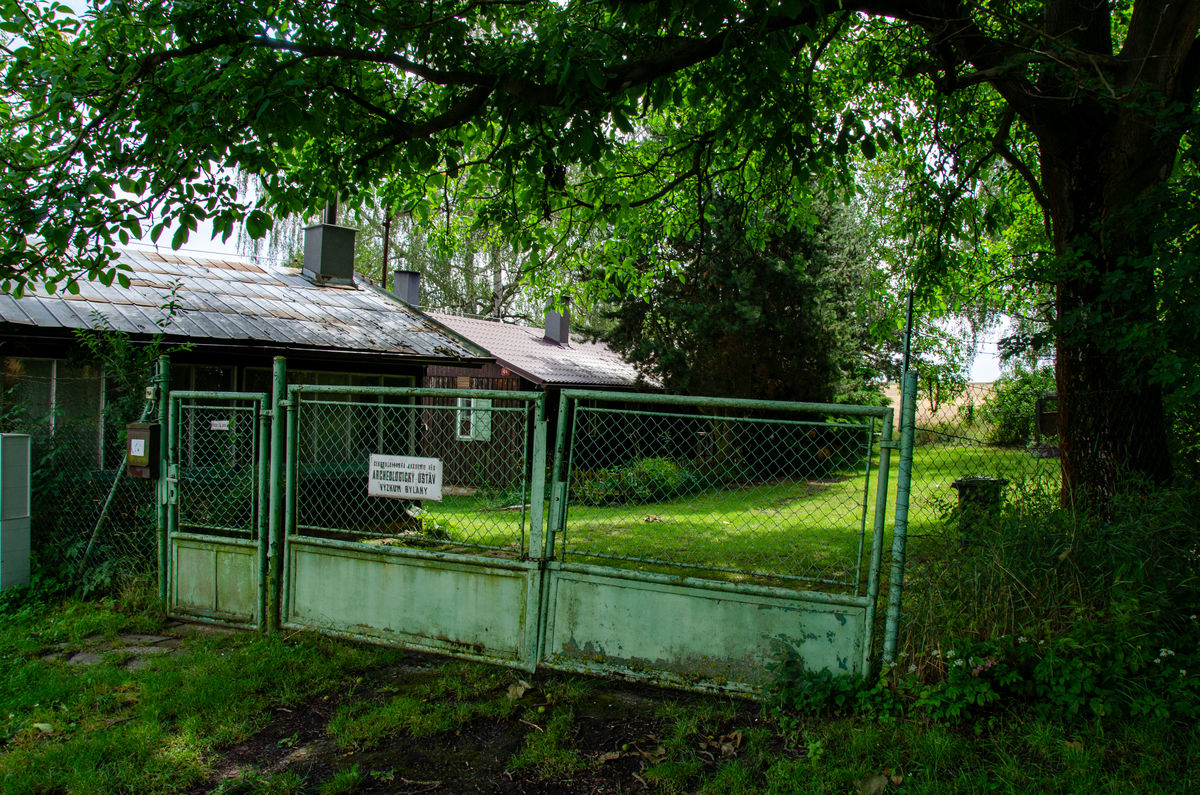
To this day, Bylany remains a symbol of the emergence of European civilisation and the transition from mobile hunter-gatherers to settled communities in the region. Today, the area occupied by the settlement and rondels consists entirely of fields. On site, visitors can see information panels and an archaeological base located immediately beside the excavated settlement. The base also featured in the well-known detective film The Treasure of the Byzantine Merchant (1966), based on the book of the same name by Václav Erben, in which Bohumil Soudský himself appeared as Dr Soudek.
References: Soudský 1966; Pavlů 2014; Končelová – Květina 2018; Kuna – Starcová – Maříková-Kubková a kol. 2019a, b, c; Zápotocký 2019; Končelová – Šumberová 2023.
Navigation points: N 49°56'10.46", E 15°14'22.70" (information panel beside the archaeological base); N 49°56'16.92", E 15°14'6.59" (Chapel of St Adalbert).
Map notes: A – Neolithic settlement (Linear Pottery and Stroke-Ornamented Ware cultures); B – Neolithic rondels (Stroke-Ornamented Ware culture); C – Neolithic settlement and cemetery (Stroke-Ornamented Ware culture); D – multi-period settlement: Neolithic, Eneolithic, early and high medieval periods; E – multi-period settlement: Neolithic, Eneolithic, early and high medieval periods; F – medieval village; G – Cimburk hillfort; H – Denemark hillfort; I – 15th-century aqueduct. Excavated areas are outlined in brown. Map symbols are available in the Downloads section.


Selected fulltext articles and reports for further reading. Complete bibliographical records are available in the Downloads section as the List of publications.
Kuna, M. – Starcová, M. – Maříková-Kubková, J. 2019a: 1956 – Předzvěst digitálního věku. Počátky automatizovaného zpracování dat v české archeologii. In: Kuna, M. – Starcová, M. – Maříková-Kubková, J. a kol. 2019: Sto let v archeologii. Objevy, nálezy a expedice Archeologického ústavu v Praze 1919–2019. Praha: Archeologický ústav AV ČR, Praha – Academia, 112–113.Kuna, M. – Starcová, M. – Maříková-Kubková, J. 2019b: 1966 – Život v kruhu. Model cyklického zemědělství středoevropského neolitu. In: Kuna, M. – Starcová, M. – Maříková-Kubková, J. a kol. 2019: Sto let v archeologii. Objevy, nálezy a expedice Archeologického ústavu v Praze 1919–2019. Praha: Archeologický ústav AV ČR, Praha – Academia, 134–135.Kuna, M. – Starcová, M. – Maříková-Kubková, J. 2019c: 1979 – Dynamika pravěkého areálu. Výzkum neolitického sídliště a pohřebiště v Miskovicích. In: Kuna, M. – Starcová, M. – Maříková-Kubková, J. a kol. 2019: Sto let v archeologii. Objevy, nálezy a expedice Archeologického ústavu v Praze 1919–2019. Praha: Archeologický ústav AV ČR, Praha – Academia, 164–165.Zápotocký, M. 2019: 1989 – Poslední útočiště. Výzkum opevněného sídla Denemark z pozdní doby kamenné. In: Kuna, M. – Starcová, M. – Maříková-Kubková, J. a kol. 2019: Sto let v archeologii. Objevy, nálezy a expedice Archeologického ústavu v Praze 1919–2019. Praha: Archeologický ústav AV ČR, Praha – Academia, 186–187.